Coming Clean: I Had A Beer At Work
Doug discloses the workplace beer that cost him his job and formally identifies the reporting employee as his lifelong enemy.
Read reportThe civic and cultural record.
Department
Arguments, columns, and editorials from the serious corner of the impossible room.
14 reports on file
Doug discloses the workplace beer that cost him his job and formally identifies the reporting employee as his lifelong enemy.
Read reportCommercial notice
Archive
Further dispatches from this desk.
A civilized market should not ambush shoppers with products that have not already proven themselves somewhere in the pantry.
Private actors are already extracting value from hesitation, and the public cannot afford to lose control of the silence between things.
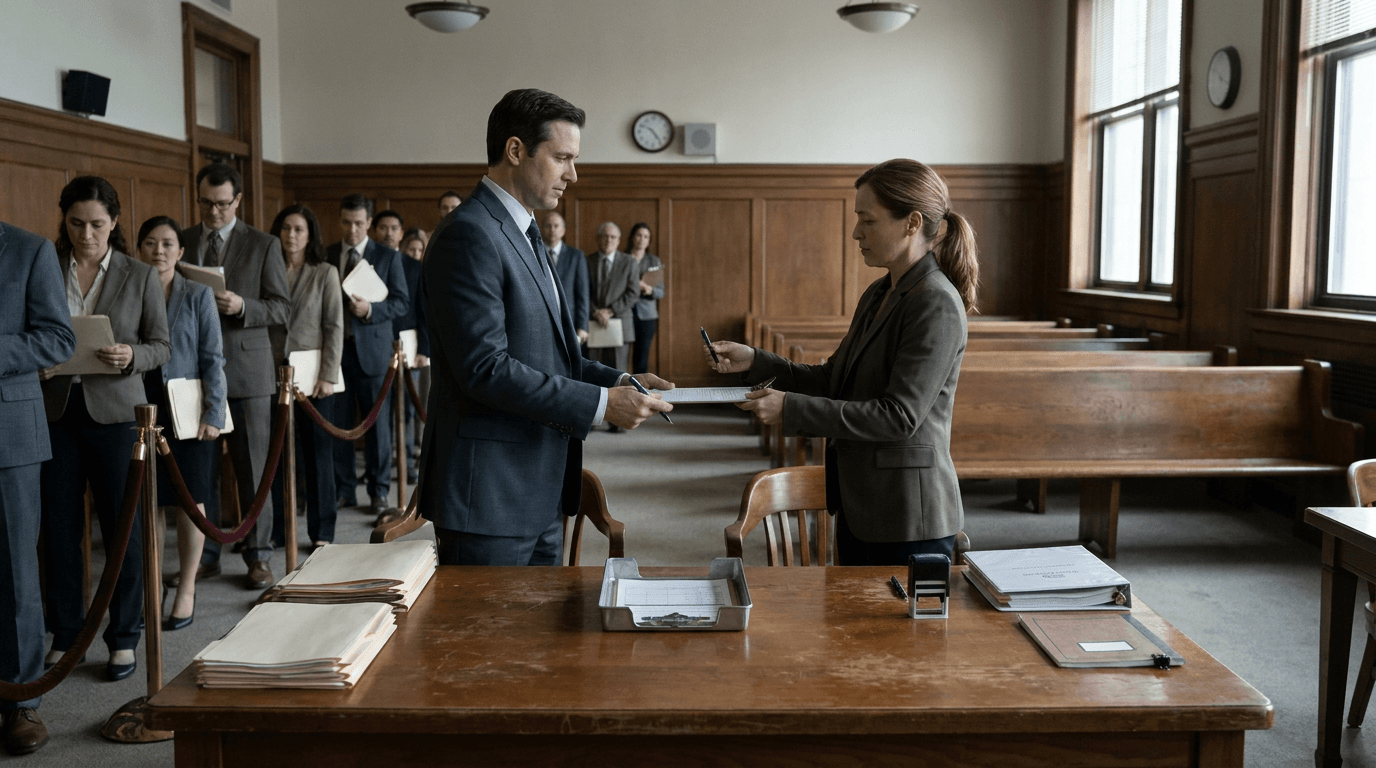
Forms, counters, waiting areas, and signatures are not obstacles to civic life. They are the steps by which civic life remembers its body.
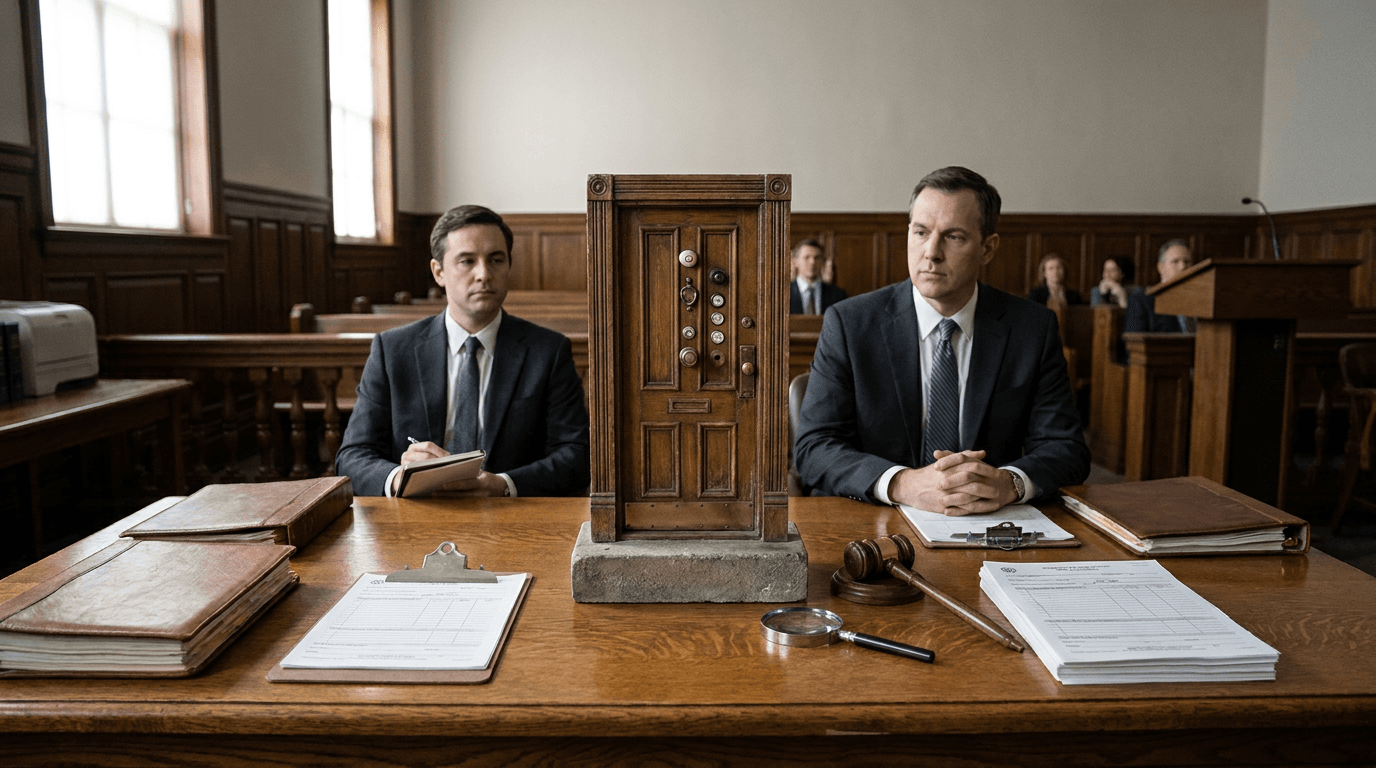
Efficiency has removed too much mystery from public life, and the city should preserve at least one door that resists explanation.
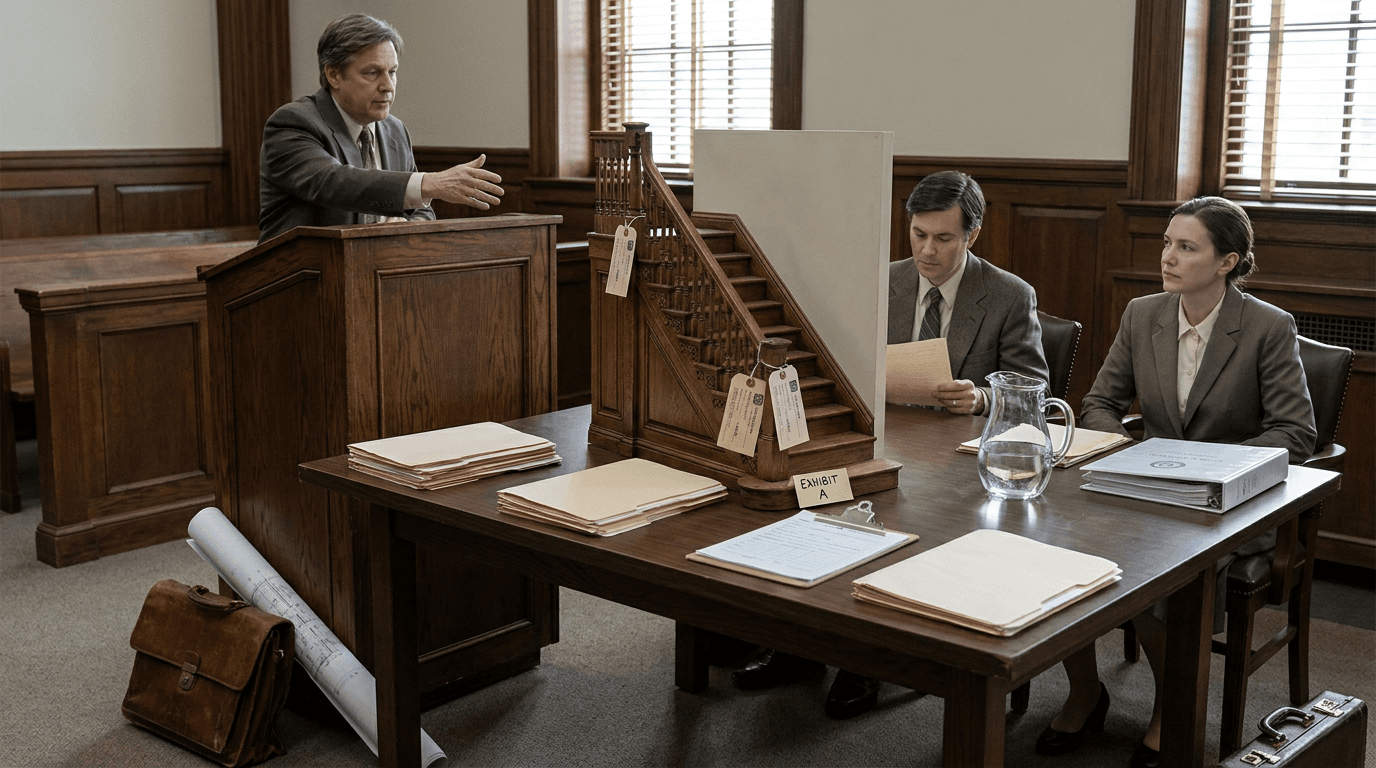
Staircases that exist to suggest ascent should not be punished simply because they lead nowhere practical.
Fog is essential to civic atmosphere, yet recent banks have adopted an intimacy and posture the city can no longer ignore.
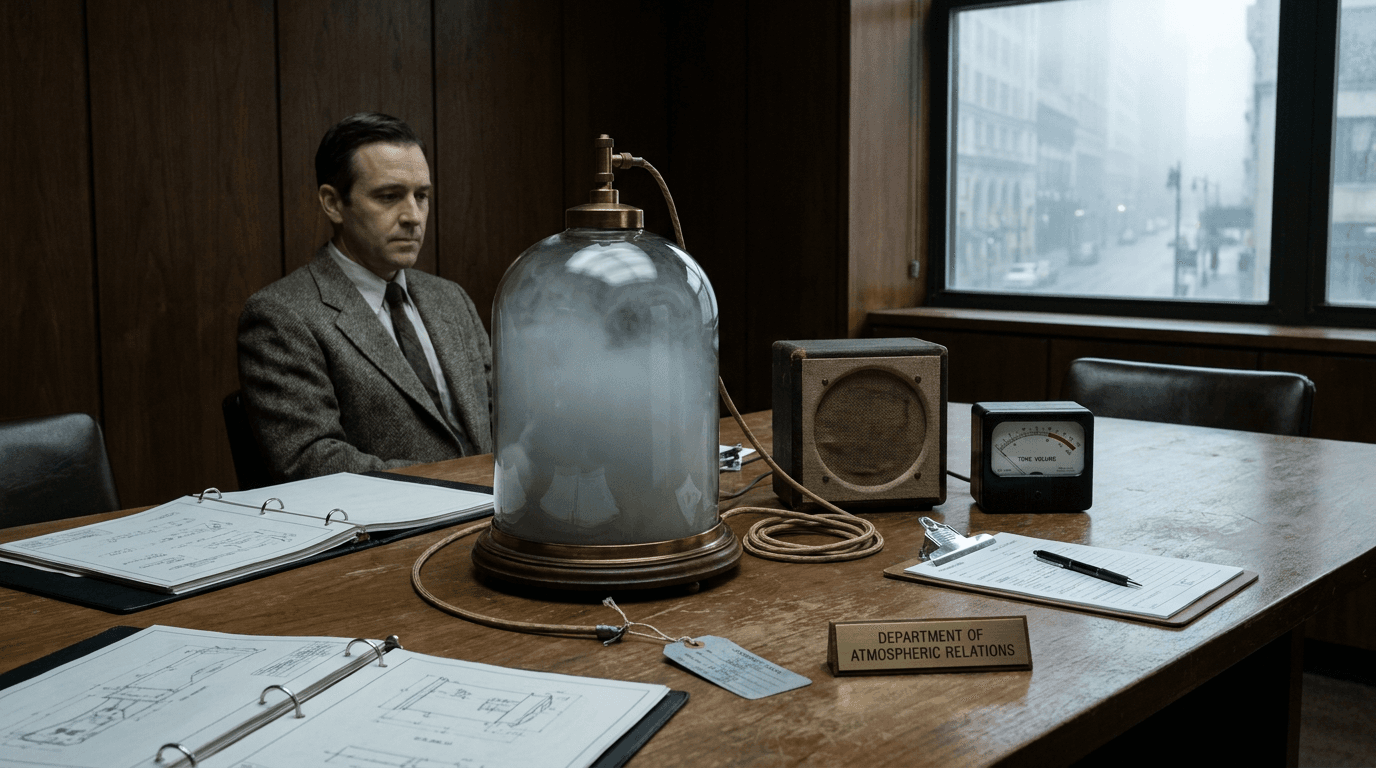
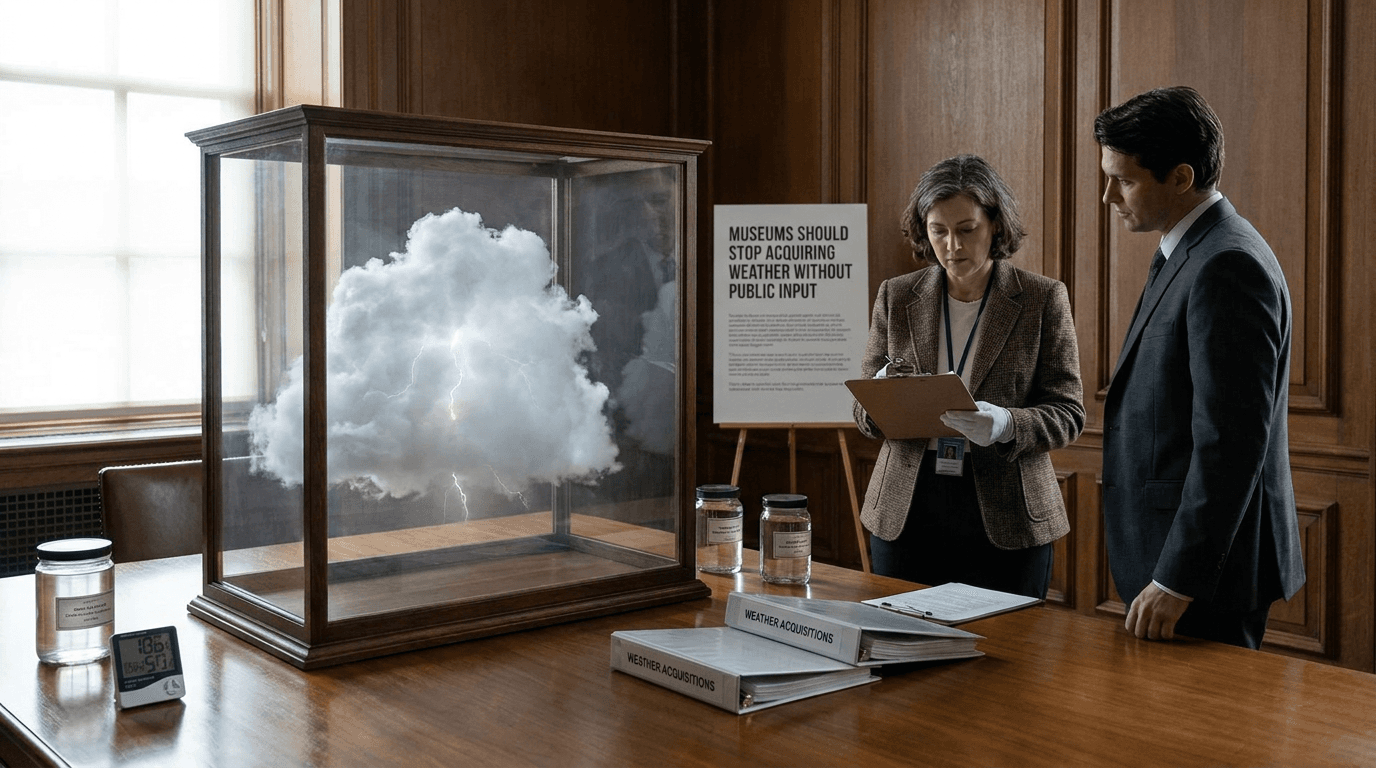
When institutions buy rain, fog, or obedient clouds, the public deserves more than a wall label and a damp members preview.
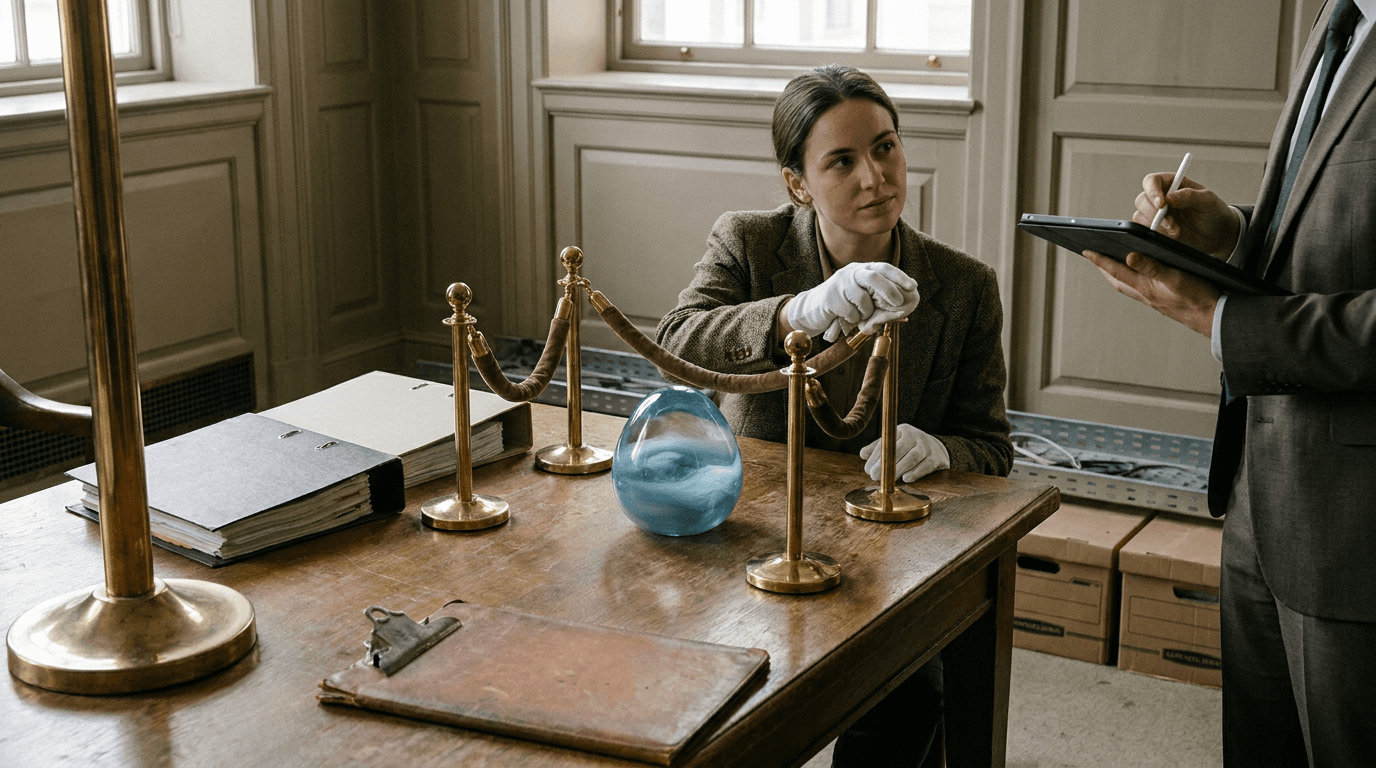
Emotional liquidity depends on boundaries, and boundaries are meaningless until someone has polished the brass posts.
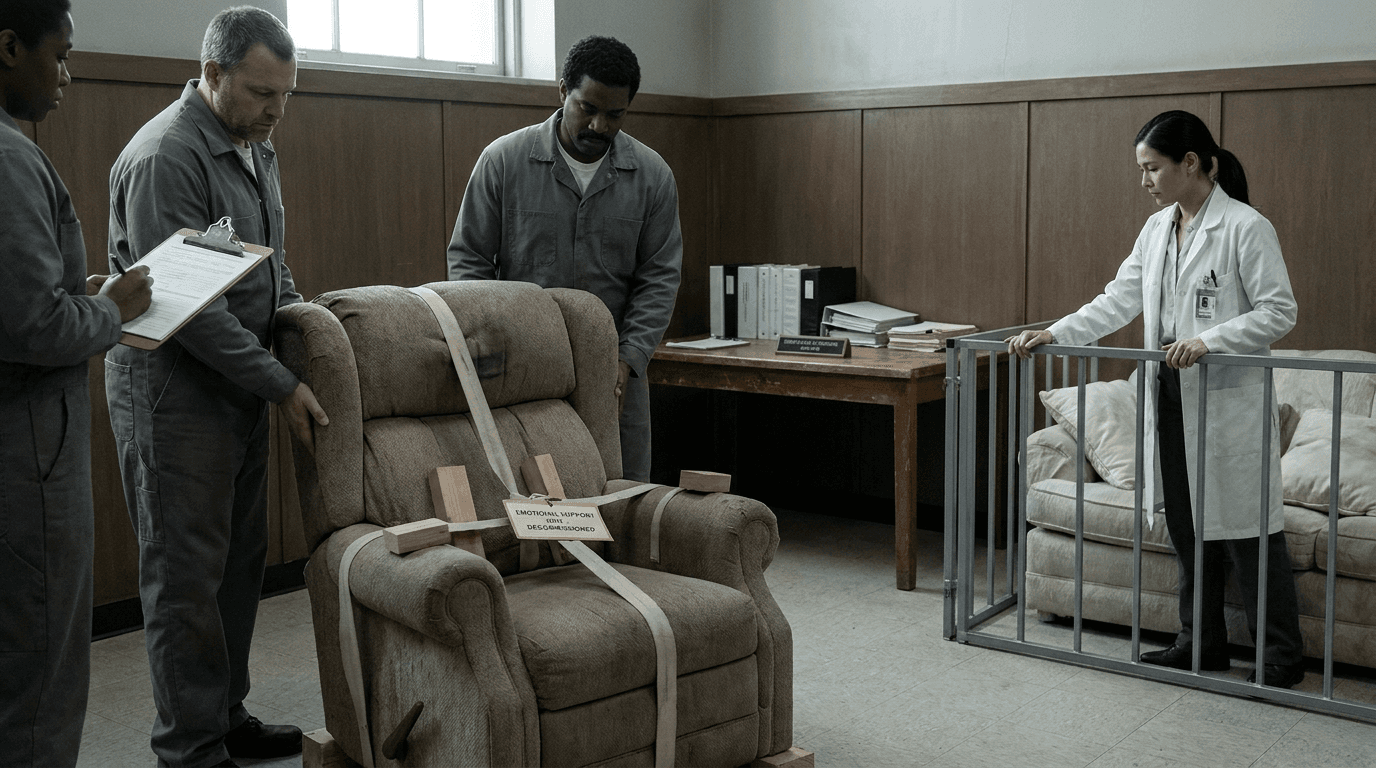
A generation raised among supportive chairs and receptive sofas will never learn that some objects have boundaries.
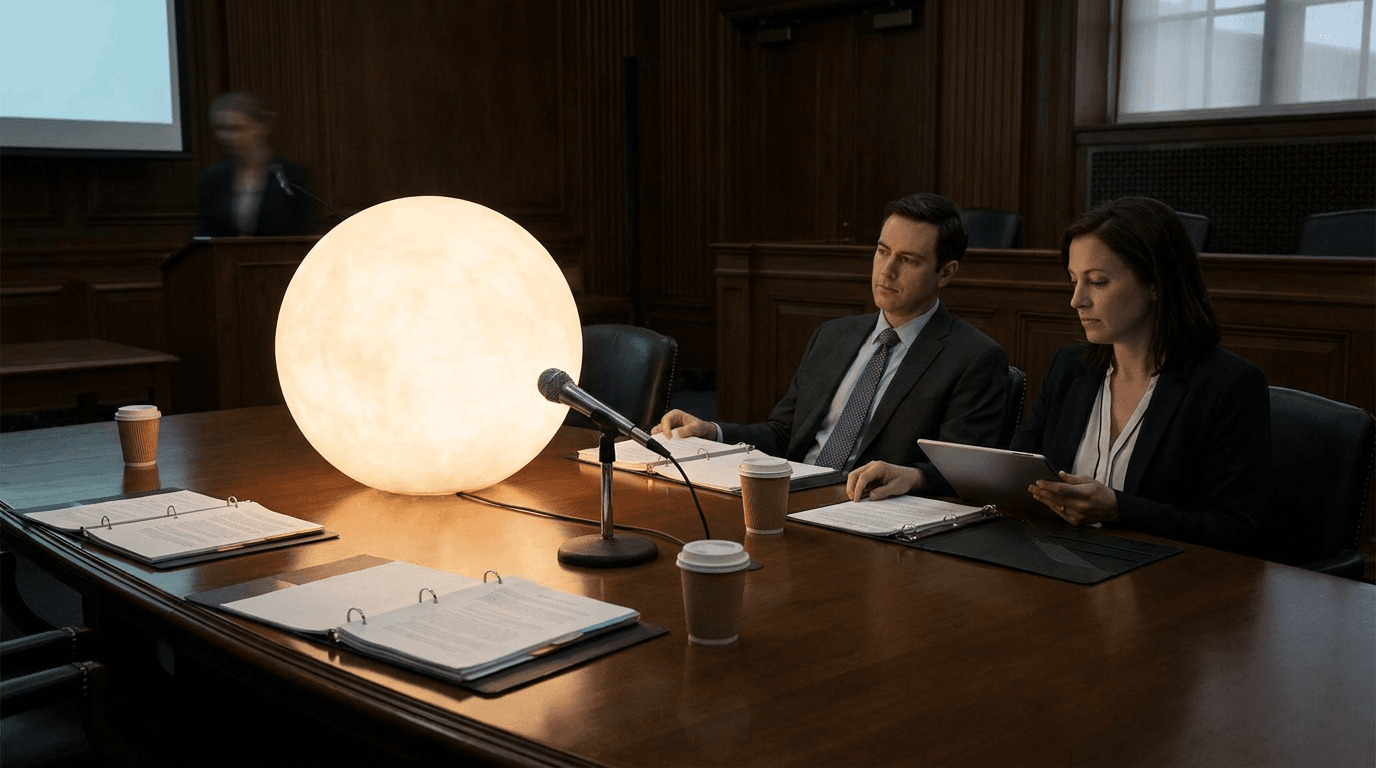
A new moon is welcome, but replacing one familiar object without reforming the rest of the sky is timid civic maintenance.
A fair city cannot keep distributing awe to people with corner windows, lake access, and unused balconies as if need were irrelevant.