The relatives were supportive but did not waive basic water expectations.
Craig Begins Controlled Transition Into Catfish During Family Documentation Trip
Craig documents the first manageable signs of becoming catfish during a family visit, including whisker etiquette and shoreline limits.
By Craig, Catfish Family and Motion Picture Correspondent
NEW ORLEANS - Published June 27, 2026 at 2:30 PM CDT
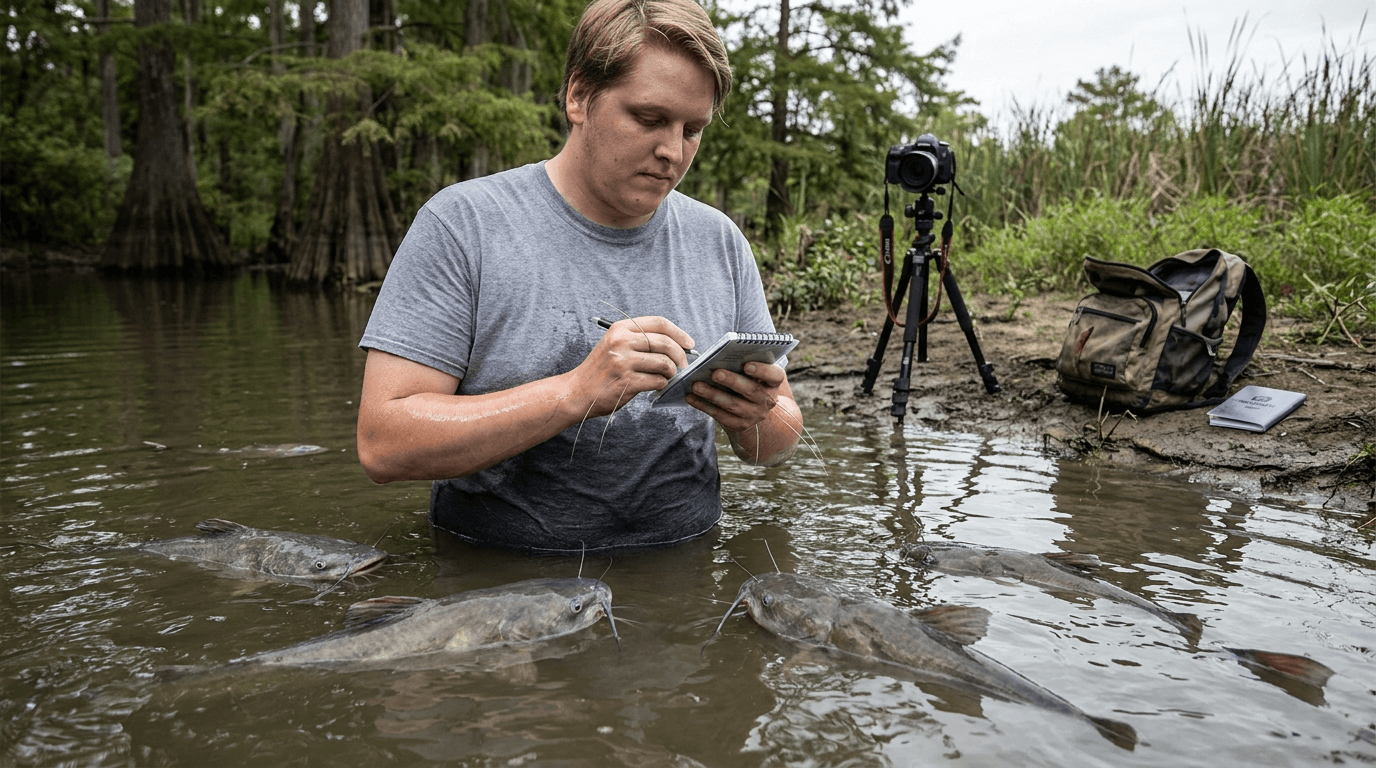
Commercial notice
I began a controlled transition into catfish during Saturday's family documentation trip.
I want to be precise about this. I did not become a catfish all at once. I did not stop being able to sign forms, hold a camera, or climb the bank. The change was local, manageable, and noticed by family before it became visible to strangers.
The first sign appeared at 8:52 a.m., when my left cheek picked up the current.
This is not how cheeks usually behave.
Initial Findings
I was standing waist-deep near the dock, preparing to record a shoreline interview with my aunt, when two thin whisker-like strands appeared near my mouth. They were not long. They did not interfere with speech. They did, however, respond to current.
My aunt moved closer immediately.
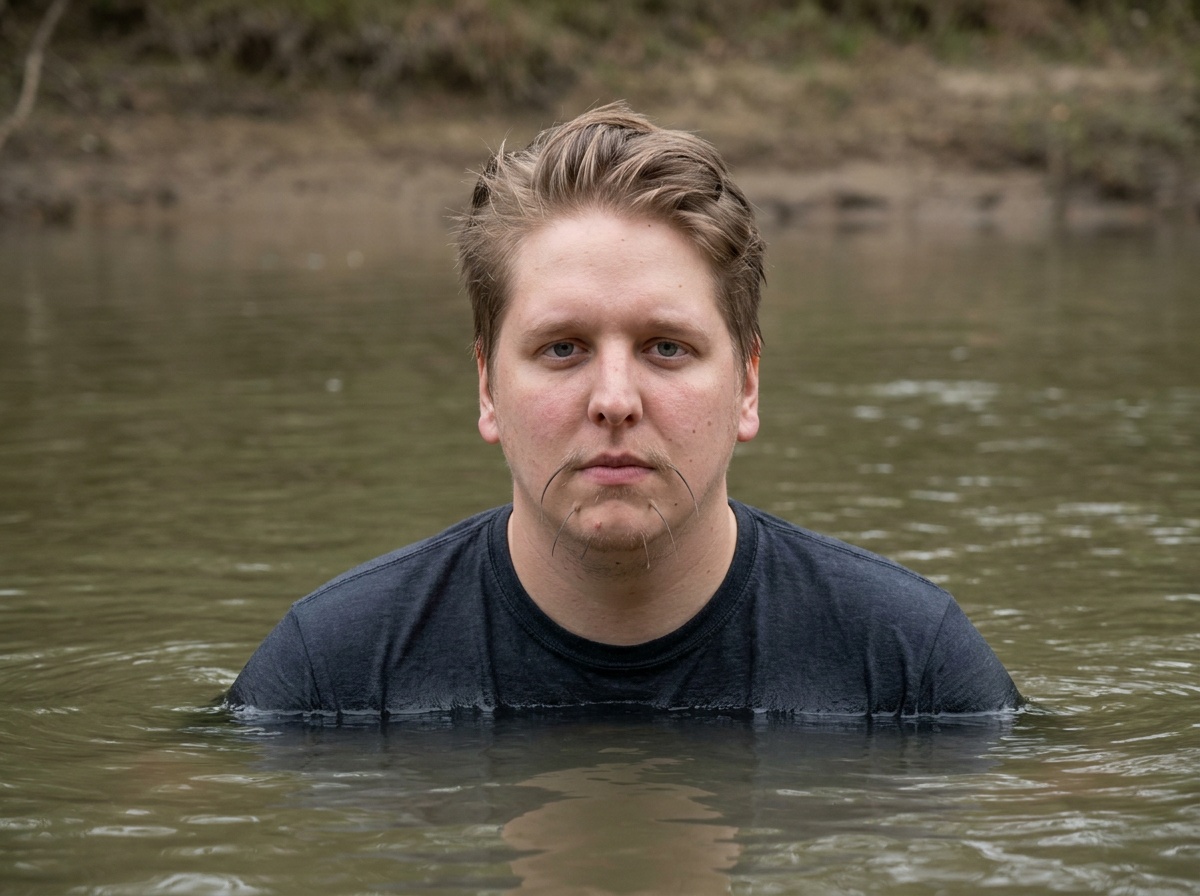
I wrote in the notebook: "family has noticed."
The second sign was skin texture. My hands looked wet after being dried. This may sound minor, but in field documentation small observations become important when relatives begin circling with approval.
At 9:03 a.m., cousin Merrill touched my sleeve and then my wrist. I understood this as an inspection.
He did not retreat.
Etiquette
Catfish transition has etiquette. You do not announce it loudly. You do not ask whether everyone likes the change. You stand where the water can evaluate you and let the family respond at its own pace.
I asked one question: "Is this acceptable?"
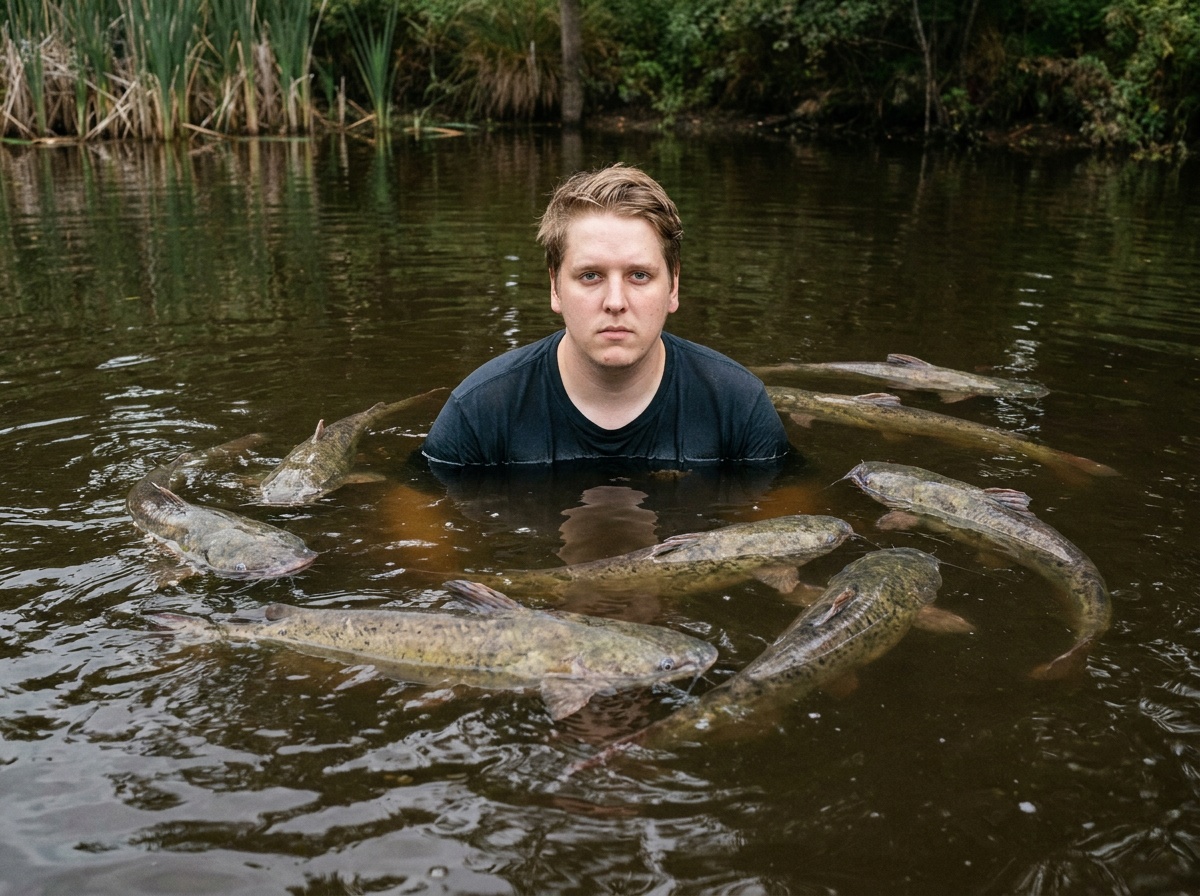
The answer came through positioning. Three relatives moved into a loose half-circle. My aunt stayed directly in front of me. Darryl remained farther away, which he would have done under any circumstances.
I took this as cautious acceptance.
My notebook stayed on shore. I considered reaching for it, then decided against it. A transition visit should not become paperwork while the family is still deciding how close to stand.
Practical Limits
At 9:18 a.m., the whisker strands began picking up silt. This was useful but distracting. I could tell where the current was coming from, but I also became aware of a leaf before I wanted to be.
At 9:24 a.m., I stepped back toward shore to test whether the change held outside deeper water. It did, but less confidently.
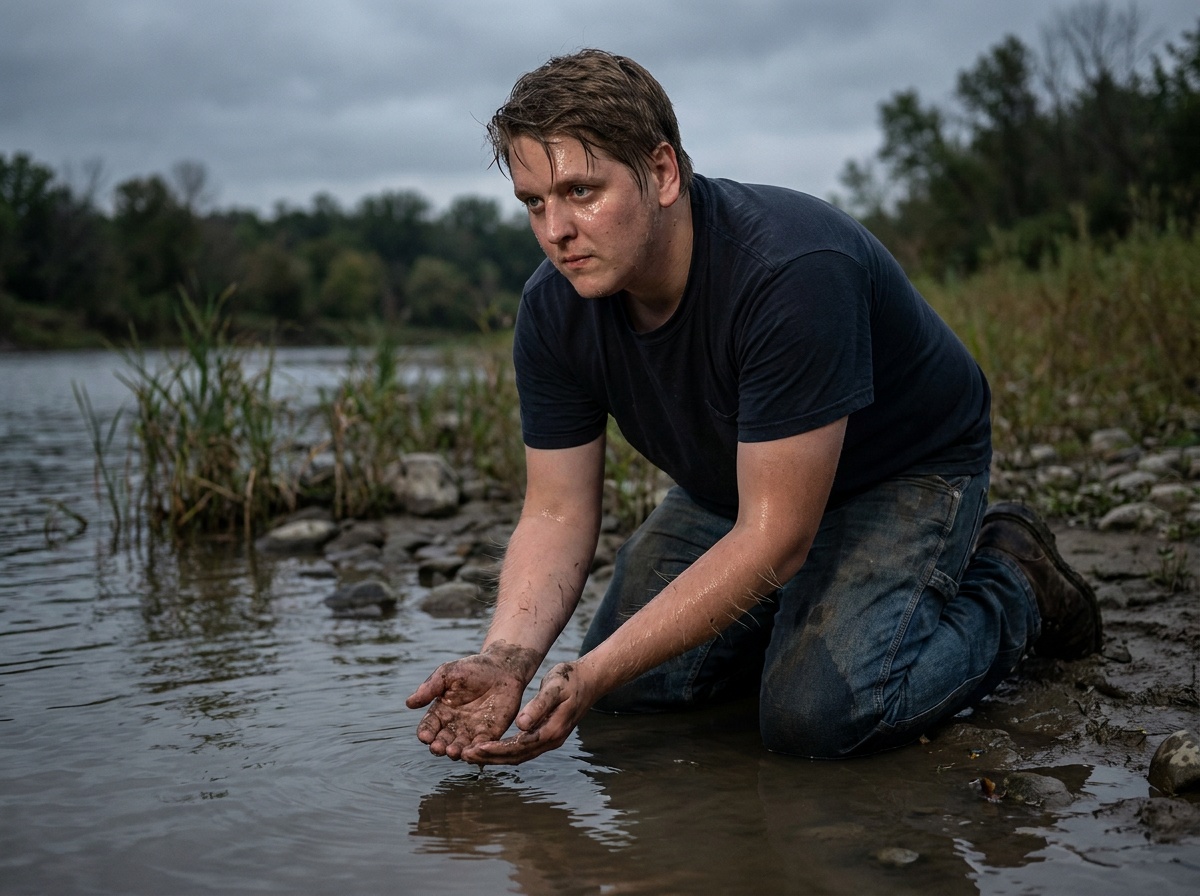
On land, the strands looked like a question that had not found the correct room.
I returned to the water.
The family seemed relieved.
Next Visit
I am treating this as the first controlled phase. The transition is not complete, and I am not making claims beyond the evidence.
What I know is this: my family accepted the change, did not reject it, and expected me to keep documenting it without turning the visit into a personal announcement.
This feels fair.
Before leaving, I dried the notebook and stood for one more minute with the water at my waist. The whisker strands moved in the current. My aunt moved with them.
For now, that is enough.
Commercial notice